

Take it down. Take it away.
A demolition contractor in the Bronx. Interior strip outs, building demolition, concrete removal and the debris that comes with all three, cleared off the site when the work is done.
What we take on in the Bronx
Four services, and one job often needs more than one of them.
-
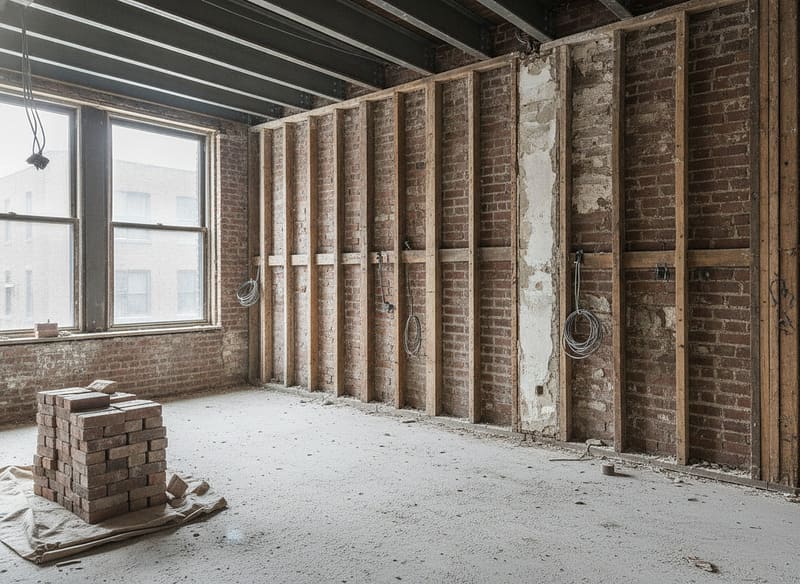
Interior demolition
Apartment and house gut outs, storefront strip outs, kitchens and bathrooms, non-structural walls, flooring and ceilings. Done inside buildings that stay standing and usually stay occupied.
-
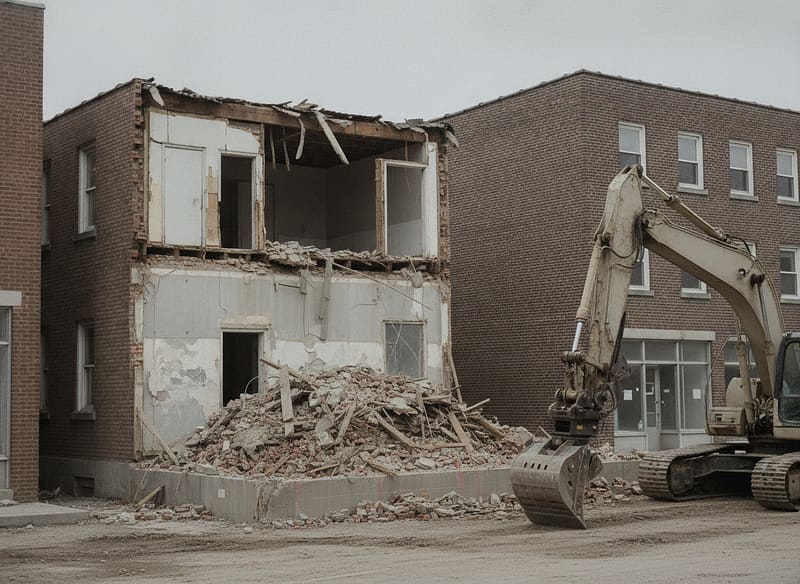
Building demolition
Whole structures and agreed parts of them. Full teardowns, partial demolition, and the garages, sheds, outbuildings and rear extensions that are the common job on this stock.
-
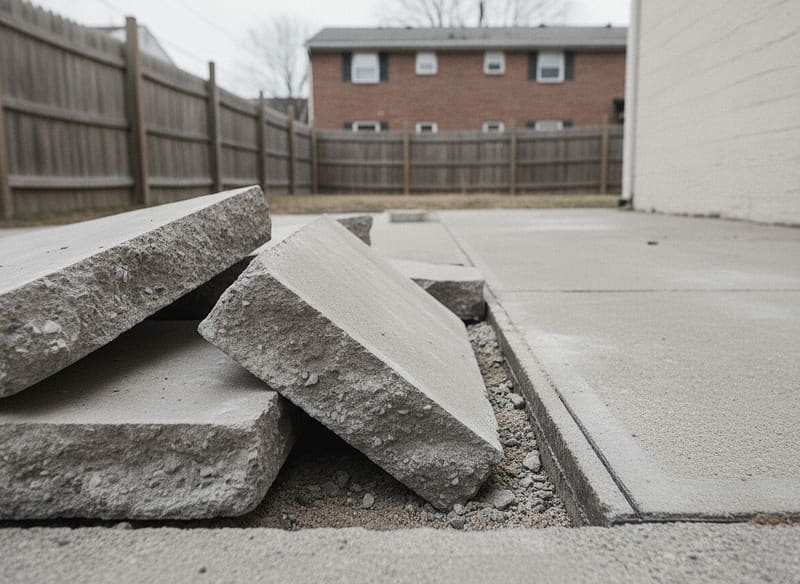
Concrete removal
Driveways, patios, walkways, steps, garage floors and yard slabs broken out, cut cleanly where concrete stays, and hauled away. The ground left graded and workable.
-
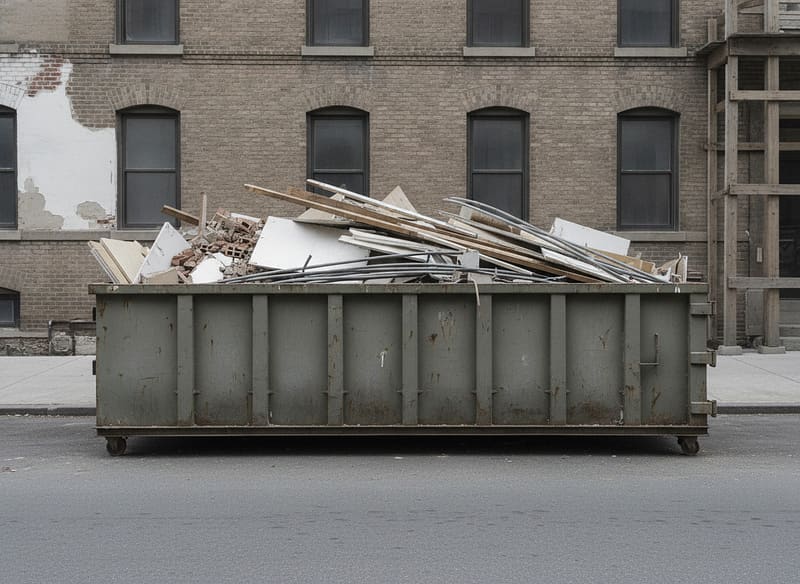
Construction debris removal
Getting the material off the property and to a facility registered to take it. Part of our own demolition scope, and a job on its own where material is already there.


Not sure which one you need? Describe it on the phone
Which one is your job?
Most people call knowing what they want gone rather than what the service is called. The line that actually matters is whether the building is staying up.
- The building stays up
- Anything non-structural coming out of a space that remains standing is interior demolition. Walls that carry no load, kitchens, bathrooms, flooring, ceilings, fixtures.
- Something structural goes
- Removing structural members, bearing walls, floors or exterior walls is building demolition, whether that is a whole structure or an agreed part of one. This is the side that needs a filing.
- It is a slab
- Driveways, patios, steps, garage floors and yard slabs are concrete removal. Different equipment, and priced by weight rather than by area.
- It has to leave the property
- Getting the material out and to a registered facility is debris removal. It comes with the work above, and it is also a job on its own.
What you get
- Scope settled before the work starts, not discovered during it
- Access and sequence planned first, because they are often harder than the demolition
- Material cleared as it is produced instead of piling up
- Corridors, stairs and the entrance clean at the end of every day
- The space handed back in a state your next trade can start in
- A written scope before work starts, so you know what is included
What decides the cost
No price list, because a price you can trust does not come from a description. Here is what the number is actually made of, so you know which parts of your own job are the expensive ones.
- 01
How much material there is
Not floor area. Volume. A bathroom with tile on three walls, a tiled floor, a cast tub and a plaster ceiling holds more material than a bedroom twice its size. This is the single biggest driver and the one people most often estimate low.
- 02
What it is made of
Plaster, tile, brick and concrete are heavy. Timber, plasterboard and cabinetry are light. Disposal is metered by weight, so what the material is matters as much as how much of it there is.
- 03
How it gets out
Which floor it starts on, how many turns and stairs are between it and the door, and how far the door is from where a truck can stand. On plenty of jobs the route out is harder than the demolition and costs more than it.
- 04
What has to be protected
Everything that is staying and everything the material travels over. Floors, stairs, corridors, doorframes, a finished surface in the next room. Protection is quick to install and expensive to skip.
- 05
Where it goes
Disposal is a metered cost at a registered facility, not a flat fee. It is why a small volume of dense material can cost more to put through than a large volume of light material, and why concrete is the one service where weight dominates everything else.
Bronx property usually works in your favour
Much of the stock around here is detached, semi-detached or small multi-family, with a driveway, a side passage and a private rear yard. A container can usually stand on the property a few feet from the door, and material travels a short distance without depending on anything shared or scheduled. It is also why driveway, patio, garage and yard work is common here, and why concrete is a bigger part of what we do than it would be in a borough of lift-served buildings.
Price and start date are different questions
Non-structural interior work in a single unit often falls below the threshold that needs a Department of Buildings permit. Work that removes structural members, bearing walls, floors or exterior walls needs a filing, prepared by a licensed engineer or architect. Where a permit is needed and the building went up before April 1987, an asbestos assessment has to be on file before that permit issues. None of this changes what the work costs. All of it changes when the work can begin, which is why we would rather tell you early.
Photographs of the room and of the way out are worth more than measurements. Five minutes on the phone with those is usually enough to price the job.

How a job starts
The same four steps on every job, so you always know what happens next.
- 01
You describe it
What the space is, what is coming out, which floor it is on, and how a truck gets near it. Five minutes on the phone settles most of it.
- 02
We look at it
Access, what is behind the walls, what stays live, what has to be protected, where the material goes out.
- 03
You get a number
What comes out, in what order, and what the site looks like when we leave.
- 04
We work and clear
We work to the agreed sequence and clear as we go, so we hand the space back swept and ready for the next trade.
Where we work
Breakara Demolition works across New York City. In the Bronx we are based on 639 E 234th Street, in the north of the borough.
Being based here keeps travel short across the borough, which matters on jobs that run several days and need the truck back and forth.
Bronx property, and what it changes
A great deal of the stock around us is detached, semi-detached and small multi-family: two and three-storey houses with a short driveway, a side passage, a detached garage and a private rear yard.
That shapes the work more than anything else does. Material usually leaves through a private frontage rather than a shared corridor, a container can often stand on the property instead of on the street, and the awkward part is rarely a lift. It is the side passage, the gate width, and whether a machine can reach the back.
It is also why driveways, patios, garage floors, steps, sheds and rear extensions are ordinary work here.
More about BreakaraQuestions
Do you work in occupied buildings?
Yes. Much of the Bronx housing stock is occupied while work goes on, and it changes the job more than the demolition itself does: how material leaves, which stair or elevator, what gets protected, and how the common parts look at the end of each day.
Do you take small jobs?
Yes. A single bathroom, one wall, a garage floor or a shed base are all normal work. Describe it and we will tell you plainly whether it is something we should be doing for you.
How do I know which of the four I need?
Describe the job and we will tell you. As a rule, taking the inside out of a space that is staying up is interior demolition. Taking down a structure, or an agreed part of one, is building demolition. Breaking out a slab, driveway or patio is concrete removal. Getting the material off the property is debris removal. Plenty of jobs are two or three of them at once, and that is one call, not three.
How do I get an estimate?
Call with the address and a description of the job. Straightforward interior work can often be scoped over the phone. Anything structural, or anything with awkward access, needs a look at the site before we can price it properly.
What do you need from me before work starts?
Access, and utilities shut off and confirmed dead at everything we are taking out. For anything structural there is more, and we go through it before the date is set.
Why does the same size room cost different amounts?
Because floor area is not what is being removed. Two rooms of identical size can hold very different volumes of material, sit on different floors, and have completely different routes out. Those three things move the number more than the dimensions do.
Is a house cheaper than an apartment?
Often, and the reason is access rather than the building. A house with a driveway lets a container stand a few feet from the door, so material travels a short distance and does not depend on anything shared. That is a genuine saving and it is common in this part of the Bronx.
Why is concrete priced differently?
Because it is dense. A four inch residential slab runs well over a ton for a small patio, and disposal is metered by weight. On concrete work the distance from the break-out area to the truck genuinely moves the price, which is not true of most interior work.
What makes a job start later rather than cost more?
Price and start date are different questions. Structural work needs a filing, and work in older buildings that needs a permit needs an asbestos assessment on file before that permit issues. Neither changes what the work costs. Both change when it can begin.
Ready when you are.
Call and describe the space. If it is demolition in the Bronx, it is the kind of work we do.
Call (929) 205-0893